
Images in research papers reflect the dedication and hard work of scientific researchers in the laboratory, providing precise data and strong evidence that support the arguments presented in their papers. However, as the number of images in publications grows, identical images are unintentionally reused, resulting in image duplication in scientific manuscripts.
This growing issue has raised concern among researchers, publishers, and academic institutions, since duplication could erode public trust and long-standing credibility. Researchers may even face criticism regarding their published work, which has been cited by other academic fellows across numerous institutions, leaving a stain on their professional reputation.
Image duplication is the appearance of two or more identical images within the same paper, or the reuse of part of one image elsewhere in the manuscript. It often happens unintentionally, and detecting it early helps researchers ensure their research integrity.
What Is Image Duplication in Scientific Papers? Common Scenarios and Causes
Image duplication occurs when a scientific paper contains two or more identical images, or when a researcher reuses part of a highly similar image in the paper. In addition, researchers might alter the reused images by flipping, cropping, or adjusting their brightness.
These transformations can make duplicated or reused images harder to recognize and may constitute problematic image reuse, depending on how the image is presented and interpreted. Such duplications may occur unintentionally, particularly when researchers handle a large number of images during manuscript preparation.
When duplicate images are found within a published paper, not only is the trustworthiness of researchers called into question, but the public pressure they face increases as well.
How Can Researchers Detect Image Duplication?
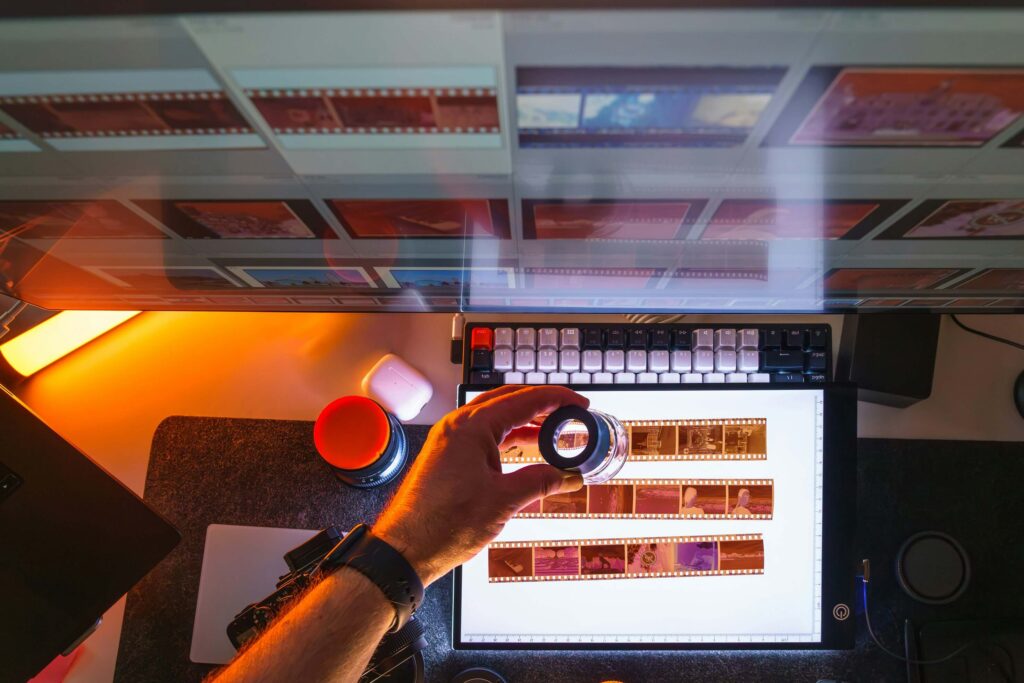
It is time-consuming to verify the correctness and authenticity of each figure included in a paper, especially when researchers can only check images with the naked eye. In addition, some researchers may lack sufficient experience in image processing, so they may not fully or correctly examine the experimental images. Hence, utilizing a productivity tool that can not only ease the burden on researchers but also maintain image accuracy would bring enormous benefits to academic institutions.
How ImaChek Helps Detect Potential Image Duplication?
ImaChek is an automated image comparison solution designed to analyze a wide range of common image types and flag potential issues for researchers. It can detect several common image types, such as western blots, gels, fluorescence-activated cell sorting (FACS), microscopy, macroscopy, and charts, and it helps identify duplicated regions for researchers prior to manuscript submission.
Protect Research Integrity with ImaChek
Maintaining image integrity is an important part of responsible scientific publishing. Early identification of potential duplication or manipulation can help researchers review their figures, correct unintended errors, and reduce the risk of image-related concerns during the publication process.
ImaChek is committed to protecting the reputation of researchers, publications, and academic institutions, as well as upholding the image integrity of scientific papers. With the assistance of ImaChek’s automated image comparison solution, researchers can devote more time to their field of study and create more breakthroughs in science.
Frequently Ask Questions (FAQs)
What does "Image Duplication" mean in a research paper?
Image duplication refers to an image appearing two or more times in a paper, or part of an image being reused within the paper to represent a different experimental result.
Is image duplication considered an intended action?
Not necessarily. Due to the increasing number of images that researchers insert into their papers, identical images are unintentionally reused, which leads to image duplication.
Why should researchers value image integrity?
Images play a critical role in manuscripts, as they represent the underlying data of the experiments. Maintaining image integrity ensures the credibility and trustworthiness of researchers; hence, researchers need to pay attention to it.
How can researchers check for duplicated images before submitting their paper?
Researchers tend to verify the images with the naked eye, which costs a huge amount of time and effort. Technology like ImaChek’s image comparison solutions can scan a wide range of image types and help identify potential image issues as early as possible.